SwitchSplat
Learning Discrete Object States from Casually Captured Scenes
1Simon Fraser University 2University of British Columbia 3Wayve Labs 4University of Toronto
*Equal contribution †Equal advising
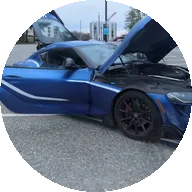
Scene tours
Fly-throughs of the learned scenes, switching objects along the way. Tap a clip to watch it full size.
Abstract
3D Gaussian Splatting has made high-fidelity 3D reconstruction fast and accessible, yet existing representations assume a static world. This assumption breaks down in casual captures, where a user naturally interacts with the environment – opening doors, toggling switches, or moving objects – introducing discrete state changes that no current framework can model. Time-conditioned dynamic methods such as 4DGS conflate when a state was observed with what state the scene is in, limiting them to replaying seen sequences rather than composing arbitrary object configurations. We present SwitchSplat, the first 3DGS representation to address this gap via a base+slot decomposition: a shared static base captures the invariant scene, while each slot independently holds the two binary states (on/off) of one interactable object. Because the assignment of Gaussians to slots is fully differentiable, the model discovers the geometry of each state directly from video, without manual annotation. At inference, the user can freely combine slot states and render the resulting scene from any viewpoint. We validate SwitchSplat on a new casual-capture dataset and show that it outperforms static and dynamic baselines in novel-view synthesis quality, while uniquely supporting rendering of state combinations never seen during capture.
Method
One casual 360° video in. A 3D scene with an on/off switch for every part out.
1Capture: open each part once
Four parts make 16 combinations. The video shows only 5.
2Each Gaussian picks a team
Each 3D blob joins the fixed base, or one part's off or on state. A switch only shows or hides its own part, so any combination works.
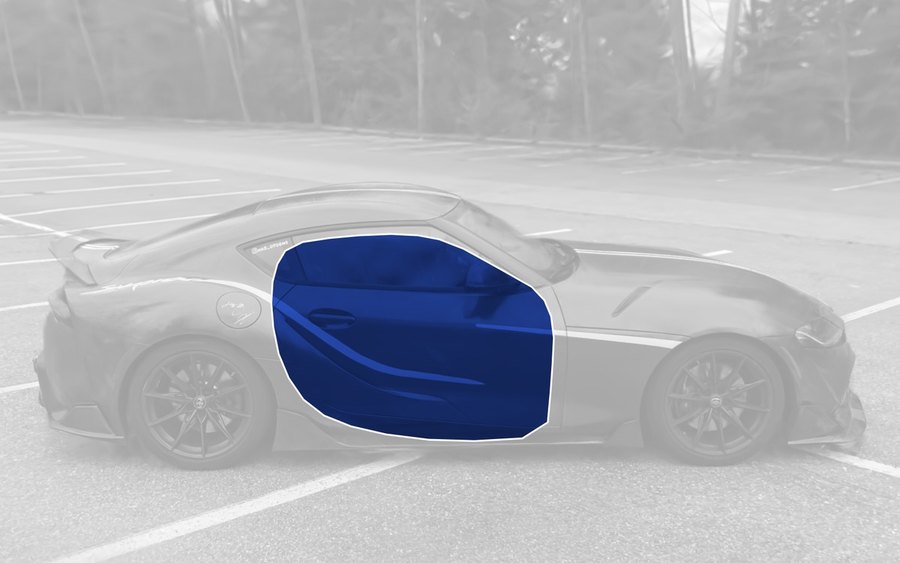
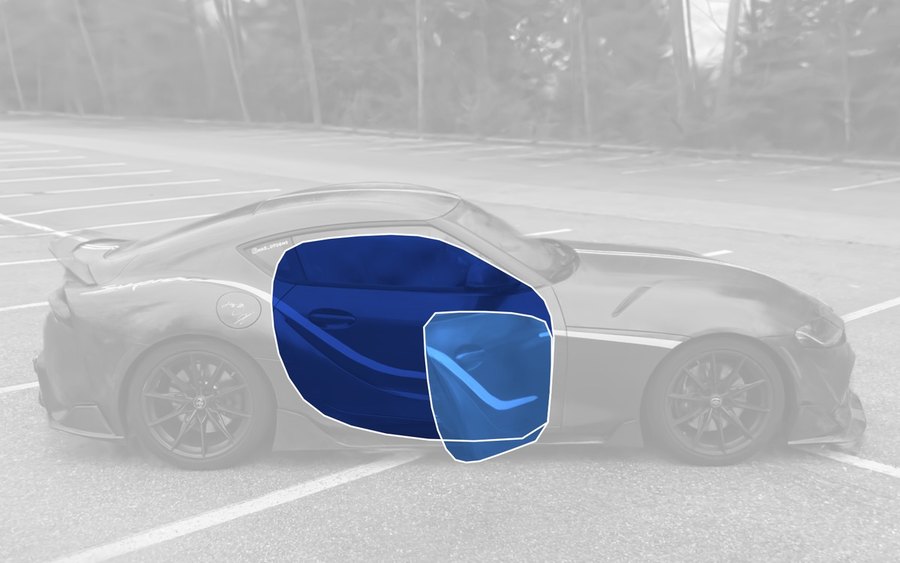
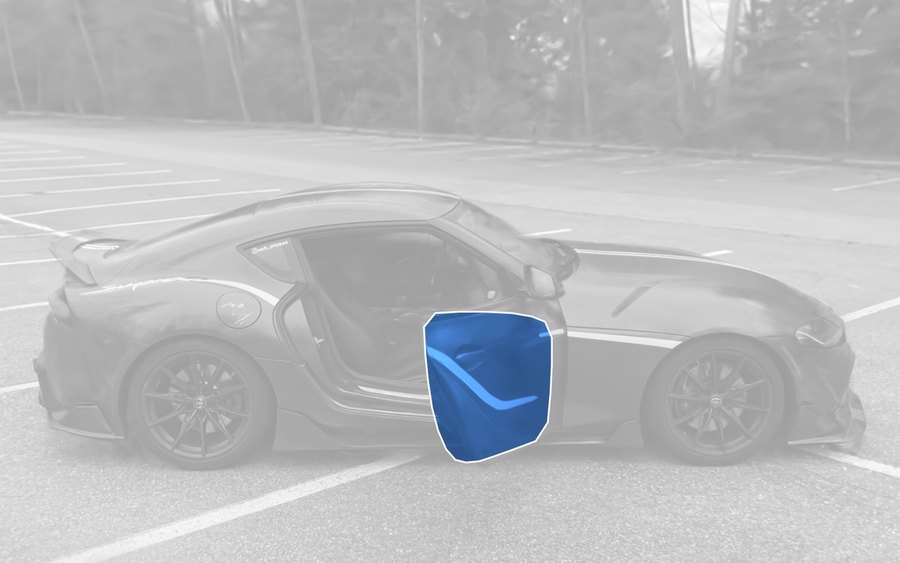
 sk is the switch of part k
Watch the Gaussians pick their teams
The Car while it trains.
3The video sets the switches, then you do
A vision-language model roughly guesses when each part moves. Training sharpens the guess. No manual labels.
✓A rough guess is enough
Start roughly centred on the right moment and the window snaps into place. All 59 model guesses do.
Results
Sharper moving parts, and +2.1 dB PSNR over the next best.
PSNR averaged over all ten test scenes (paper, Table 1).
Explore the scenes
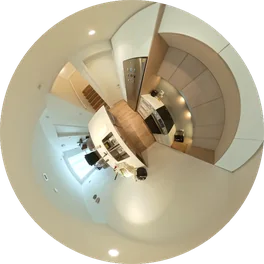
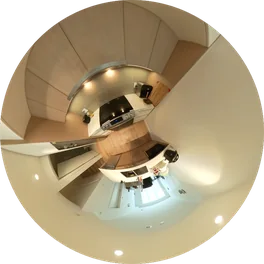
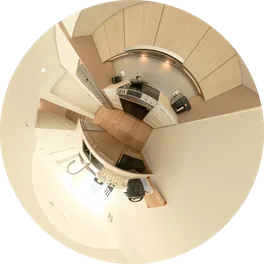
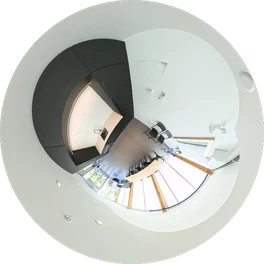
Every scene runs live in your browser (WebGPU required). In SwitchSplat scenes, flip each object's state and view any combination from any viewpoint.
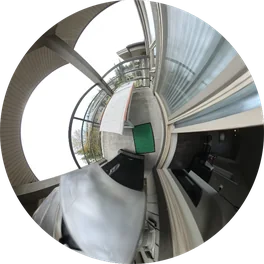
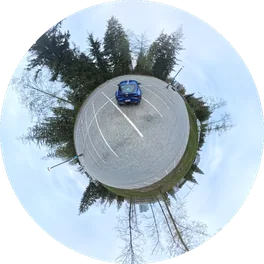
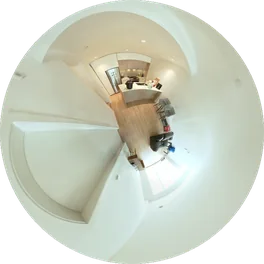
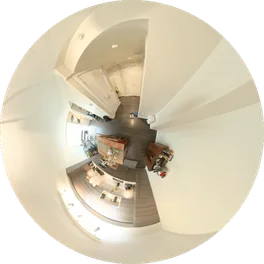
SwitchSplat dataset 12 casually captured dual-fisheye scenes
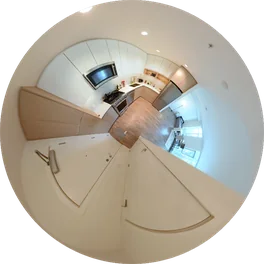
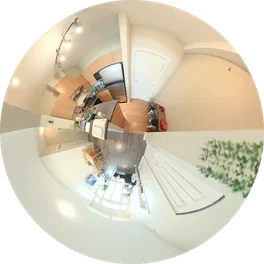
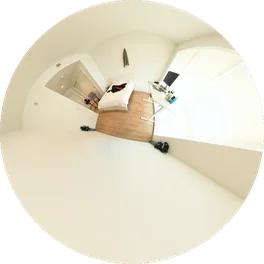
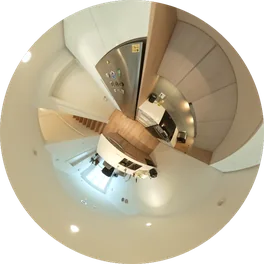
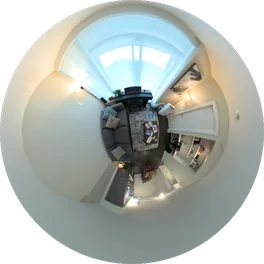
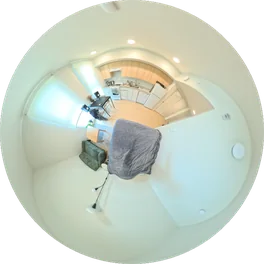
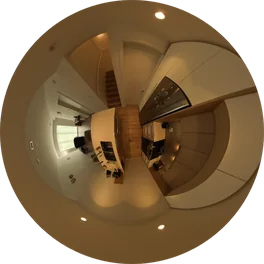
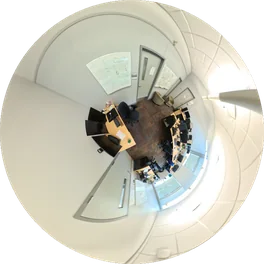
FullCircle scenes 23 static reconstructions from the FullCircle dataset
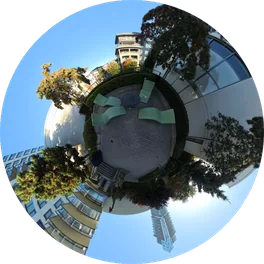
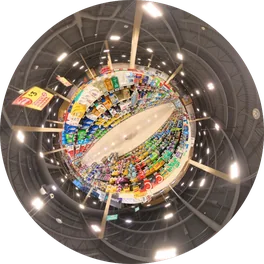
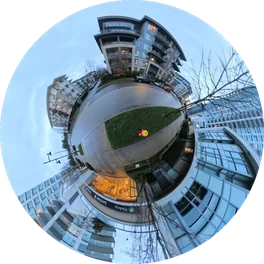
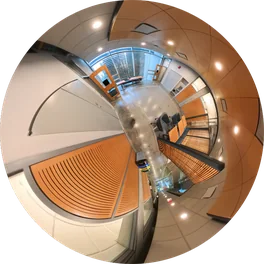
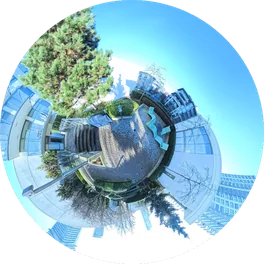
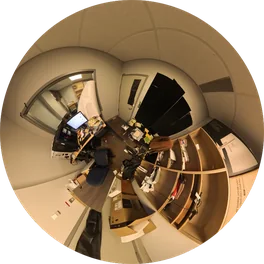
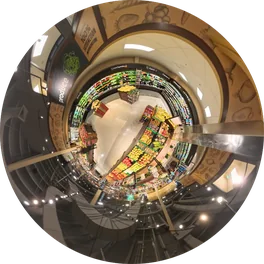
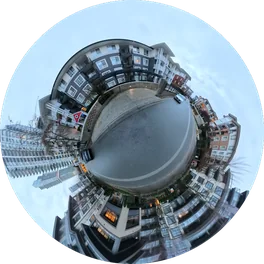
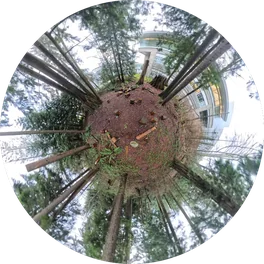
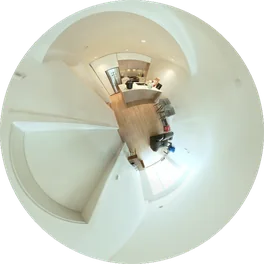
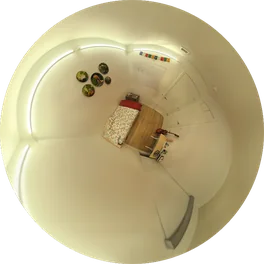
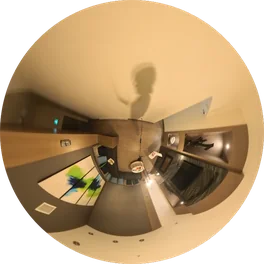
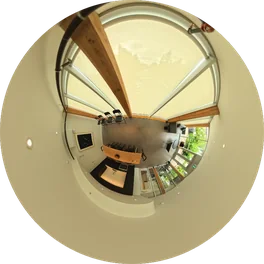
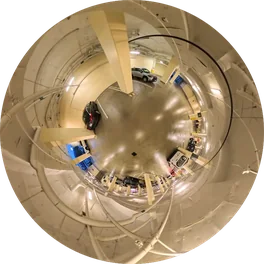
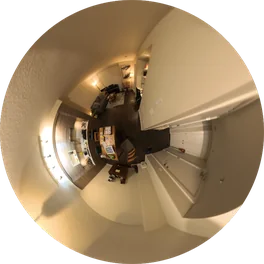
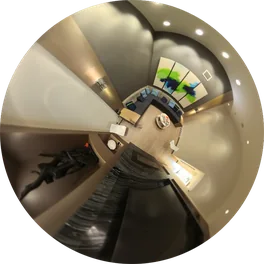
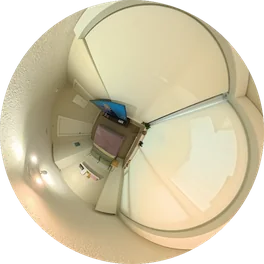
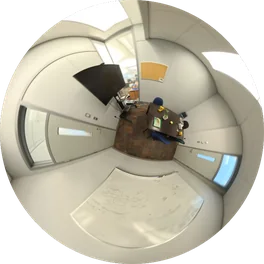
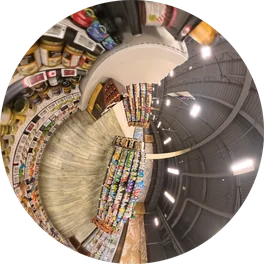
FullCircle · 23 scenes
Casual 360° captures, in their own viewer on the FullCircle project page.
Open the FullCircle viewer → About FullCircleBibTeX
@inproceedings{xie2026switchsplat,
  title     = {SwitchSplat: Learning Discrete Object States from Casually Captured Scenes},
  author    = {Xie, Yizheng and Foroutan, Yalda and Shramko, George and Rebain, Daniel
               and Govindarajan, Shrisudhan and Tagliasacchi, Andrea},
  booktitle = {SIGGRAPH Asia 2026 Conference Papers},
  year      = {2026}
}